MistCoin logo
November 3, 2015

MistCoin: Deployed by the Author of the ERC-20 Proposal. Before the Standard Existed.

Fabian Vogelsteller deployed MistCoin sixteen days before he filed the proposal that became ERC-20. In his words, he used it to test the standard idea.

πŸ’° WMC Loading... πŸ“Š 24h Vol: β€” 24h: β€” πŸ’§ Liq: β€” Buy WMC β†’
Vitalik Buterin

“We need to bring back Mist.”

β€” Vitalik Buterin, Founder of Ethereum

MistCoin

Shortly after Ethereum's launch in 2015, MistCoin was deployed as a 1 million supply prototype to test the concept of standardized token creation that became ERC-20. It went onchain on November 3, 2015 at block 483,325, one hour and forty minutes before Ethereum Wallet 0.3.5 shipped the feature that let anyone create a token from a GUI.

Sixteen days after MistCoin launched, Fabian Vogelsteller filed the proposal that became ERC-20, now used by the majority of tokens on Ethereum today. The proposal took another seven weeks to reach its final form.

On November 3, 2015, Ethereum developers Fabian Vogelsteller and Alex Van de Sande, key members of the Ethereum Mist team, deployed MistCoin as one of the earliest tokens on Ethereum. Fourteen days after MistCoin, Vitalik Buterin, Fabian, Alex, and other key contributors can be seen here drafting the token standard. Two days later, Fabian filed it as issue #20, which became ERC-20: Token Standard. In July 2022, MistCoin was extended with a wrapper contract that implemented modern ERC-20 functionality, enabling MistCoin to be traded as $WMC on Uniswap.

Tokenomics

  • πŸ’  Locked Liquidity: V2 double-sided liquidity for Wrapped MistCoin is locked until Nov 3, 2115. [Source]
  • πŸ’  Inactive and Lost Wallets: Approximately 20% of the total supply (200,000 MistCoins) resides in lost or inactive wallets, reducing the effective circulating supply. [Source]
  • πŸ’  Circulating Supply: ~400,000 MistCoin available in active wallets and trading platforms. [Source]

Notable Holders

  • πŸ’  Fabian Vogelsteller: The MistCoin deployer, Ethereum developer, and creator of ERC-20 owns ~20-25% of the supply and is actively helping the project succeed. [Source]
  • πŸ’  Alex "AvsA" Van de Sande: The former Ethereum Lead Designer, leader of Mist, co-founder of ENS, and one of the earliest Ethereum Foundation employees, Alex owns ~6% of the supply. Alex locked 50k of his supply for years. [Source]
  • πŸ’  Doge Eth Bounty: In 2015, AvsA created a DAO with Vitalik Buterin, Ming Chan, Piper Merriam, Hudson Jameson, Ross Nicoll, and two others. The DAO owns 5% of the supply. [Source]

The Original Contract

The code that started it all. Deployed November 3, 2015. [source]

This is not a resemblance. Compiled with solc 0.1.6 and the optimizer on, this exact source produces MistCoin's 716‑byte deployed runtime, byte for byte.

    contract MyToken {
        /* Public variables of the token */
        string public name;
        string public symbol;
        uint8 public decimals;
    
        /* This creates an array with all balances */
        mapping (address => uint256) public balanceOf;
    
        /* This generates a public event on the blockchain that will notify clients */
        event Transfer(address indexed from, address indexed to, uint256 value);
    
        /* Initializes contract with initial supply tokens to the creator of the contract */
        function MyToken(uint256 _supply, string _name, string _symbol, uint8 _decimals) {
            /* if supply not given then generate 1 million of the smallest unit of the token */
            if (_supply == 0) _supply = 1000000;
    
            /* Unless you add other functions these variables will never change */
            balanceOf[msg.sender] = _supply;
            name = _name;
            symbol = _symbol;
    
            /* If you want a divisible token then add the amount of decimals the base unit has */
            decimals = _decimals;
        }
    
        /* Send coins */
        function transfer(address _to, uint256 _value) {
            /* if the sender doesn't have enough balance then stop */
            if (balanceOf[msg.sender] < _value) throw;
            if (balanceOf[_to] + _value < balanceOf[_to]) throw;
    
            /* Add and subtract new balances */
            balanceOf[msg.sender] -= _value;
            balanceOf[_to] += _value;
    
            /* Notify anyone listening that this transfer took place */
            Transfer(msg.sender, _to, _value);
        }
    }
    
        
MyToken.sol Β· The ERC-20 Prototype Β· Block #483,325

What MistCoin Pioneered

Decoded from the deployed runtime by walking the dispatcher. Every member below is really in the bytecode, and every one of them is still in the standard today.

“The most important here are, transfer, balanceOf and the Transfer event.”

EIP-20, Motivation section · issue #20

The standard names three members as the ones that matter most. MistCoin implements all three, and it did so before the sentence naming them was written.

In MistCoin, November 2015 Role in ERC-20 today
balanceOf(address)Required. Named by the spec as one of the three that matter most.
transfer(address,uint256)Required. Named by the spec as one of the three that matter most.
Transfer (event)Required. Named by the spec as one of the three that matter most.
name()Still in the standard, marked optional.
symbol()Still in the standard, marked optional.
decimals()Still in the standard, marked optional. Listed among the most important members in every draft through January 2016.
Six members · 716 bytes · every one of them still in ERC-20

MistCoin is the base the rest of the standard was built on top of. The allowance machinery that arrived later, approve and transferFrom and allowance, was still being argued over on issue #20 weeks after MistCoin was already running, and no contract anywhere on Ethereum carried it until 2016. What MistCoin shipped in November 2015 is the part that never changed.

Explore

Interactive tools to experience Ethereum history firsthand.

Token Origin Checker

Discover the origin of any ERC-20 token and compare it to MistCoin β€” the one that started it all.

Try the Origin Checker

Mist Simulator

Experience what it felt like to deploy a token using the Ethereum Mist browser in 2015.

Launch the Simulator
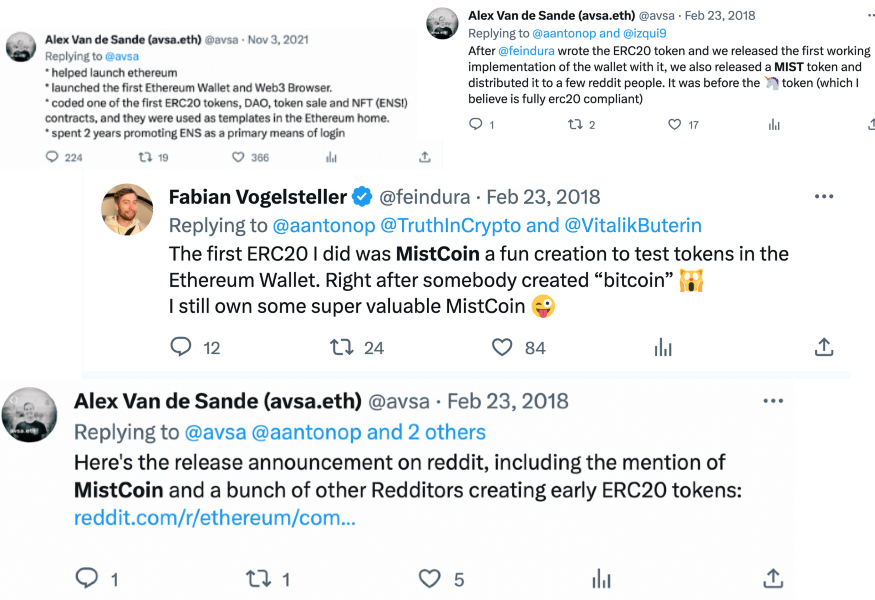
Fabian and Alex mention MistCoin on Twitter

The creators of MistCoin, Fabian and Alex, mention MistCoin on Twitter/X.

In Fabian's own words, he deployed MistCoin to test the standard idea.

  • Deployed sixteen days before the proposal that became ERC-20 was filed.
  • Helped shape the future of decentralized finance and tokenized assets.
  • MistCoin paved the way for the hundreds of millions of tokens now circulating on Ethereum.
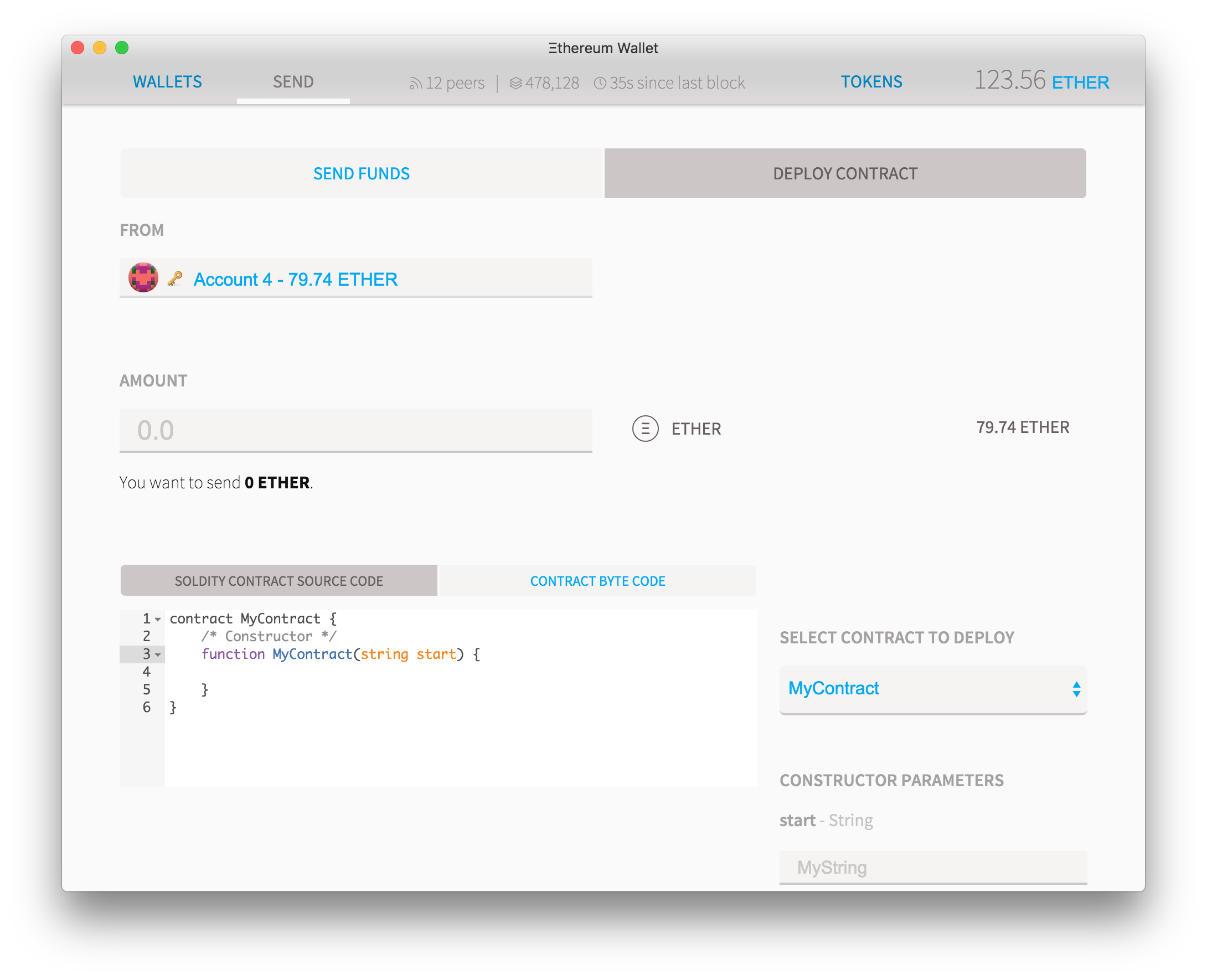
MistCoin contract deployment

A Milestone for Ethereum's Token Economy

The introduction of MistCoin marked a major milestone in the development of Ethereum's smart contract capabilities, showing how tokens could be issued, transferred, and managed programmatically.

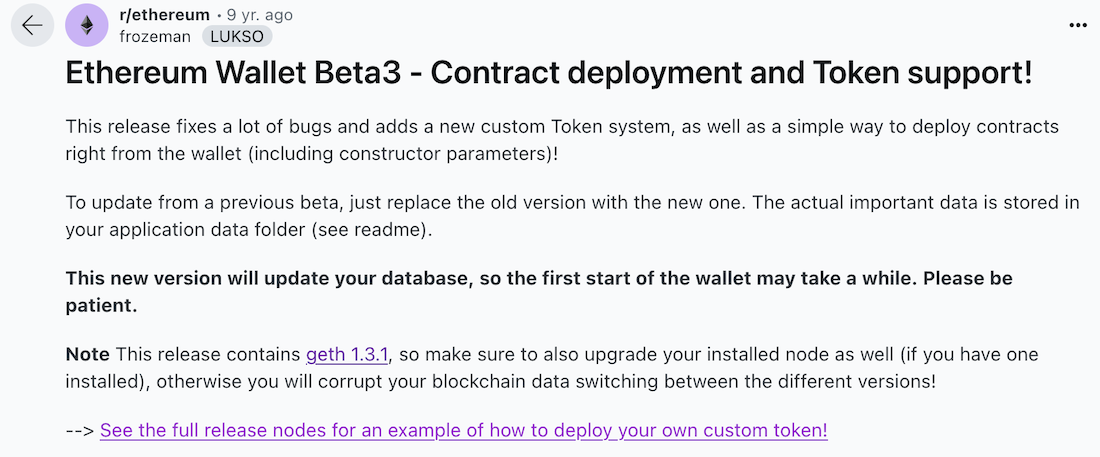
The Mist team released an update to the Mist Browser allowing for a no-code UI for creating and deploying standard tokens. The effect is measurable onchain. Eight tokens in MistCoin's exact shape were deployed on November 3 alone, and 140 of them exist across the nine weeks that follow, on a mainnet that had seen almost none before.

Mist system architecture

Influencing the Future of Tokenized Assets

MistCoin's legacy lives on as a foundational experiment that inspired the development of major tokens like Tether, Shiba Inu, and countless others. Its role in solidifying the ERC-20 token standard cannot be understated.

  • Demonstrated the programmability and flexibility of Ethereum's smart contracts.
  • Led to innovations that enabled decentralized finance (DeFi) and beyond.
  • The blueprint for how tokens are issued, governed, and transferred today.
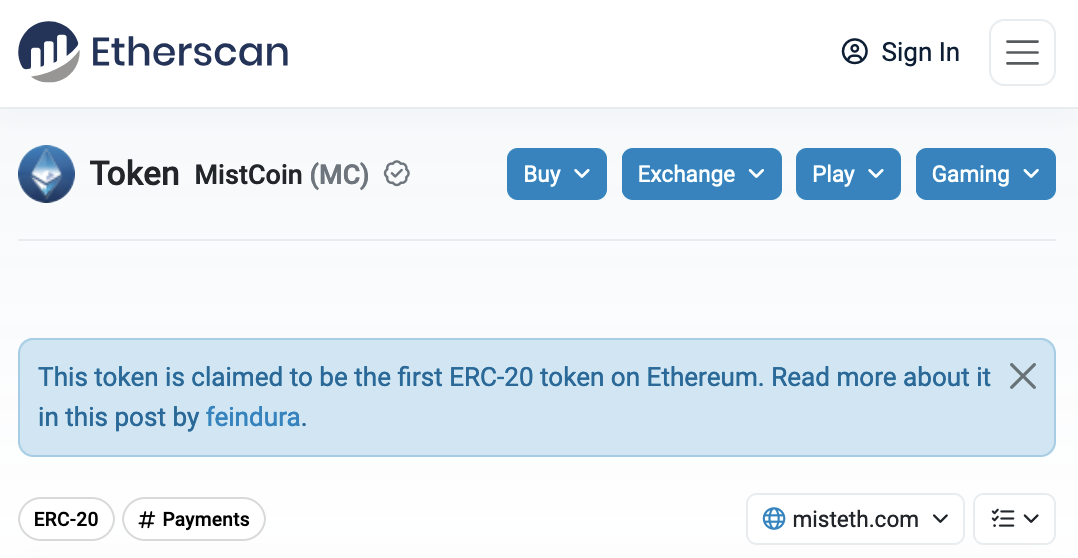
MistCoin on Etherscan

The ERC-20 Standard: A Lasting Legacy

As one of the earliest experiments in token creation, MistCoin played a pivotal role in shaping the standards for modern token contracts on Ethereum.

Today, the ERC-20 standard is the backbone of Ethereum's tokenized ecosystem, with MistCoin standing as a historical reference point for developers and enthusiasts exploring Ethereum's evolution.

Timeline

A historical journey through the development of MistCoin and the ERC-20 token standard.

Jul. 30, 2015

The Frontier

Vitalik Buterin launches the Ethereum network and the first block is confirmed.

Oct. 4, 2015

Two Names Are Born

Gavin Wood renames coinBalanceOf to balanceOf and the CoinTransfer event to Transfer on the standards wiki.

Nov. 3, 2015

The Prototype Ships

MistCoin (MC) is deployed at block 483,325, 12:03:29 UTC. Ethereum Wallet 0.3.5 publishes one hour and forty minutes later.

Nov. 19, 2015

The Proposal Is Filed

Fabian opens issue #20, "ERC: Token standard". As filed it has four of the six methods, no allowance, and no Approval event.

Dec. 3, 2015

The Foundation Ships the Source

Alex Van de Sande's tutorial on the Ethereum blog hands readers a contract that is character for character the source MistCoin was compiled from.

Jan. 6, 2016

The Interface Settles

After seven weeks of edits, cuts and one community poll, the proposal states the six methods and two events still in use today.

Sep. 11, 2017

ERC-20 Finalized

The standard is formalized on the Ethereum GitHub page, signaling that all tokens built on Ethereum should conform to the standard.

Jul. 27, 2022

MistCoin Wrapped

A wrapper contract was deployed for the 2015 contract to add modern ERC-20 functionality and enable trading.

Jul. 28, 2022

Uniswap LP Launched

An LP was set up and funded. After 9 years, MistCoin can be bought by anyone freely.

Live Chart

Track $WMC live on Ethereum or Base.

Why Own MistCoin?

More than a token β€” a piece of blockchain history.

Historical Significance

The working prototype the author of ERC-20 built while writing the standard, verified against its own deployed bytecode.

Scarce Supply

Only ~400,000 circulating from a 1M total supply. Liquidity locked until 2115.

Creator Aligned

Fabian Vogelsteller, who filed the ERC-20 proposal, actively supports MistCoin.

Buy MistCoin

Get $WMC on Ethereum L1, Base L2, or from centralized exchanges like CoinEx and NonKyc.io.

Ethereum (L1)

Trade $WMC on Ethereum mainnet

  • 1,000,000 Total Supply
  • ~400,000 Circulating
  • 0% Tax
  • Thick, Locked LP
Buy on Uniswap Buy on CowSwap
Base (L2)

Lower fees, same $WMC

  • Fast & low gas
  • Bridging required
  • Low Liquidity
Buy on Uniswap Buy on CowSwap
Centralized Exchanges

No wallet? No problem.

  • Easy onboarding
  • No gas fees
Buy on CoinEx Buy on NonKyc.io

In Their Own Words

What the builders and creators have to say about MistCoin.

The first ERC20 I did was MistCoin a fun creation to test tokens in the Ethereum Wallet. Right after somebody created "bitcoin" πŸ™€ I still own some super valuable MistCoin 😜

Fabian Vogelsteller

Fabian Vogelsteller

MistCoin Creator

This is hilarious. MistCoin was a test coin we deployed for fun and gave away on Reddit to test our token implementation. And since fabian had just wrote the spec, it became the first erc20 compliant token.

Alex Van de Sande

Alex Van de Sande

Ethereum Foundation Alumni & Mist Developer

$Mist certainly has some historical value, as it marked the beginning of the wave of tokens on Ethereum and the rest of the Blockchain space.

Fabian Vogelsteller

Fabian Vogelsteller

MistCoin Creator

I just submitted a ticket to @etherscan about #MistCoin to add the tag "First ERC20 token". While doing that I realised, I actually deployed it 16 days before submitting the ERC proposal😁, as I used it to test the standard idea.

Fabian Vogelsteller

Fabian Vogelsteller

MistCoin Creator

We need to bring back Mist.

Vitalik Buterin

Vitalik Buterin

Founder of Ethereum

Scrapbook

A collection of photos and videos of the Ethereum Mist team!

Mist Browser

Mist Browser

The update allowed anyone to easily make tokens.

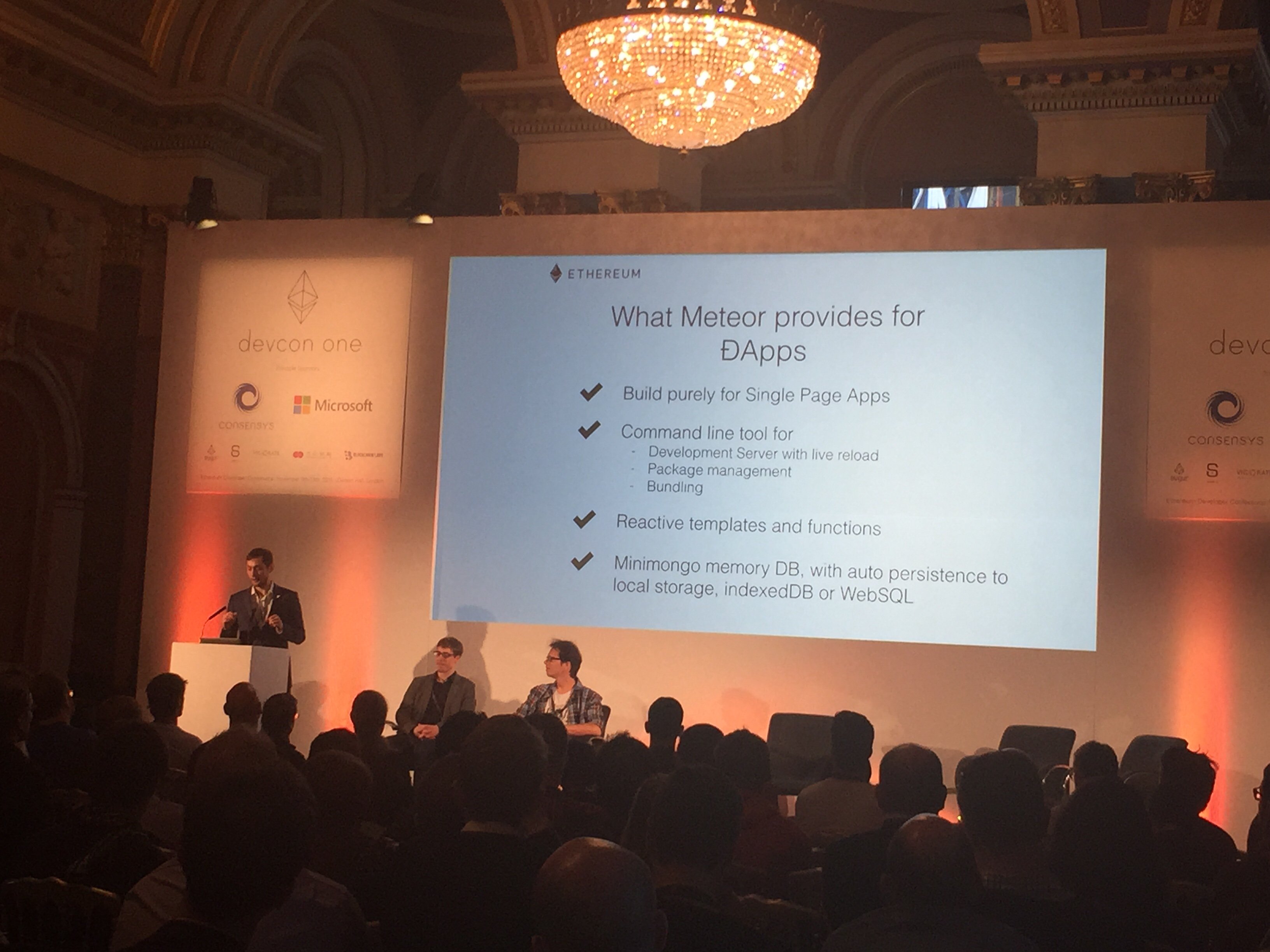
Fabian at Devcon 1

Fabian at Devcon 1

Fabian Vogelsteller presents on "What are DApps and Why Meteor?"

Ethereum presents Mist

Ethereum presents Mist

Alex Van de Sande presents a sneak preview of Mist, the Ethereum decentralised application browser.

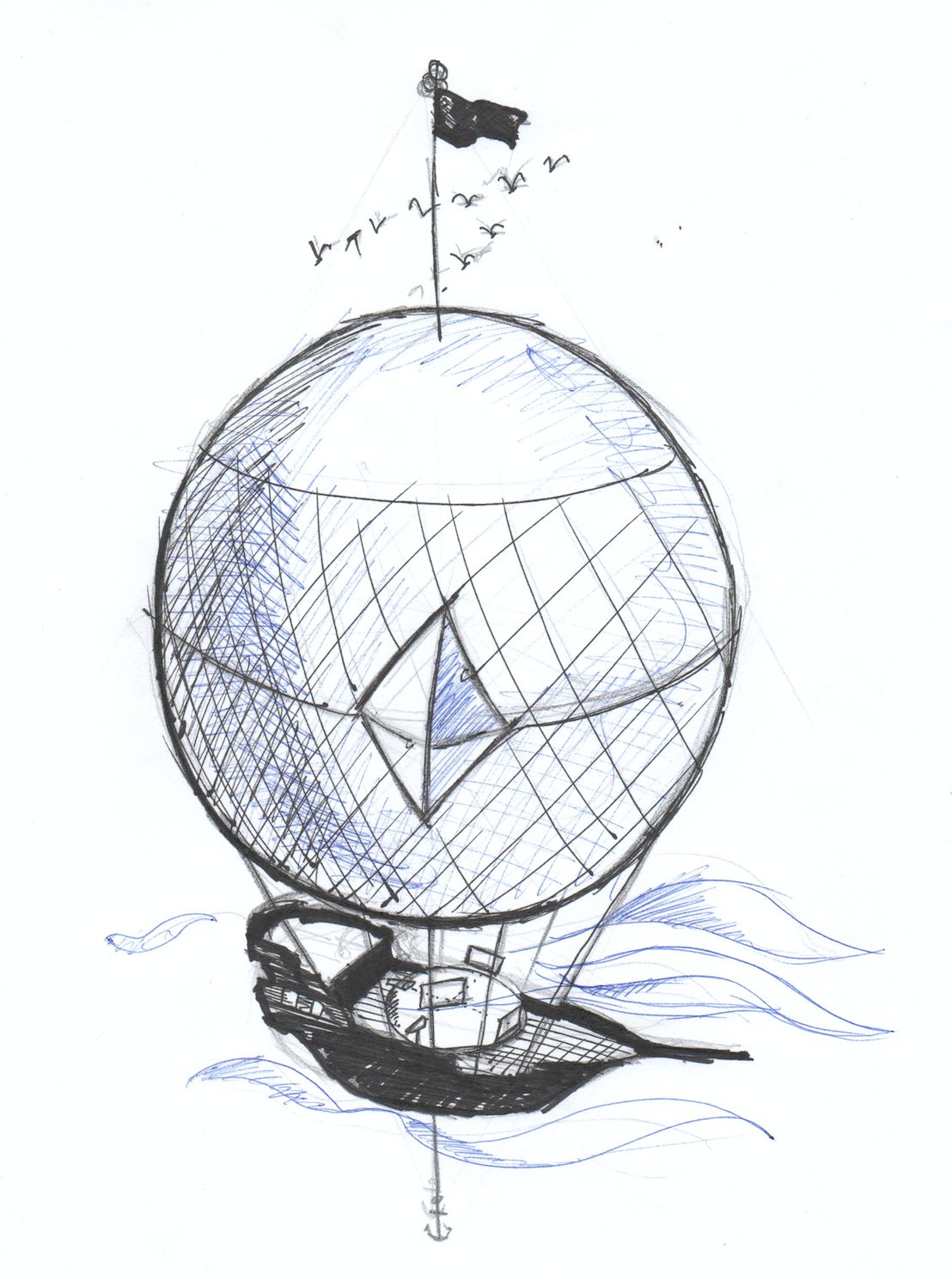
Original Mist sketch from 2014

Original Mist Sketch

A sketch from 2014, where Alex Van de Sande was brainstorming concepts for Mist.

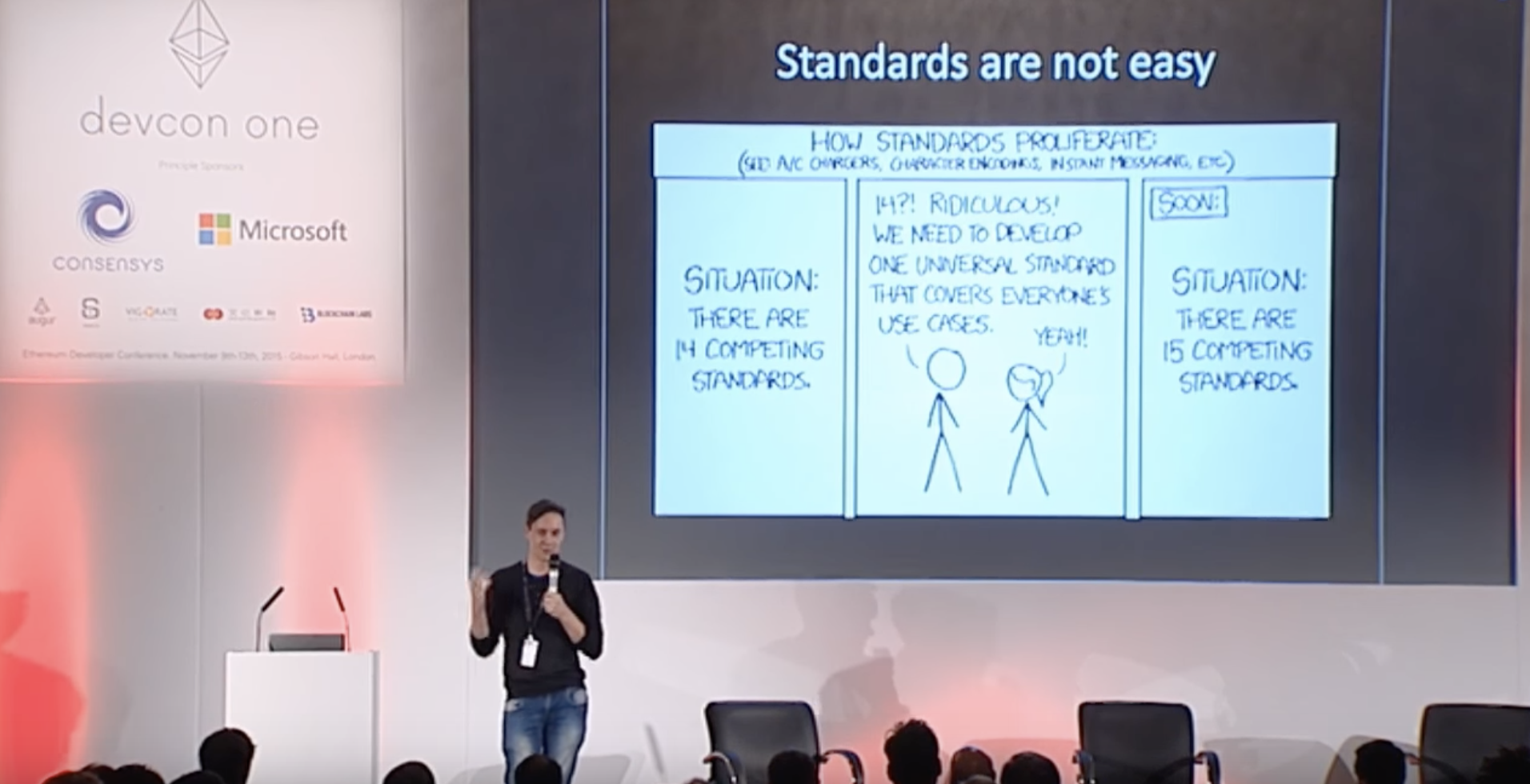
Simon at Devcon 1

Simon at Devcon 1

Simon de la Rouviere from ConsenSys presents on token standardization at Devcon 1.

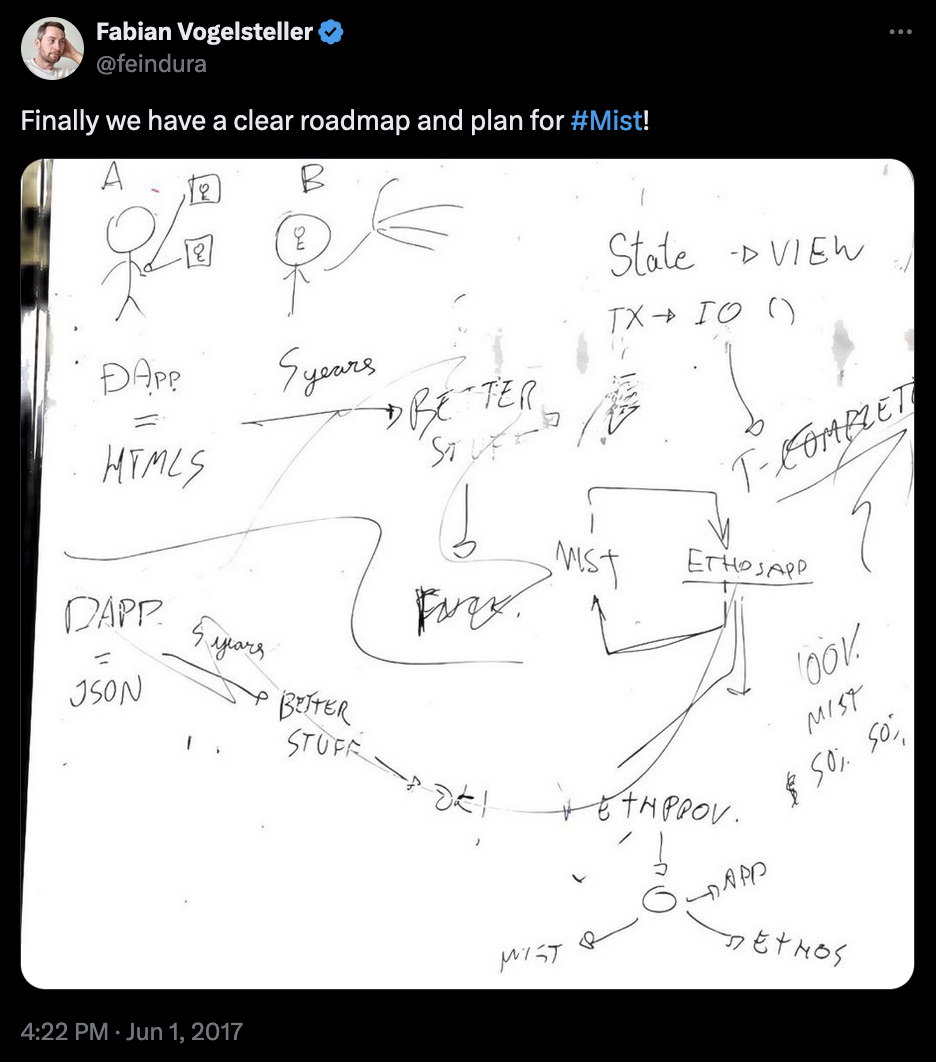
Mist Roadmap

Mist Roadmap

Fabian hilariously shares the Mist roadmap.

Mist Team 2017

Mist Team

The Mist team in 2017

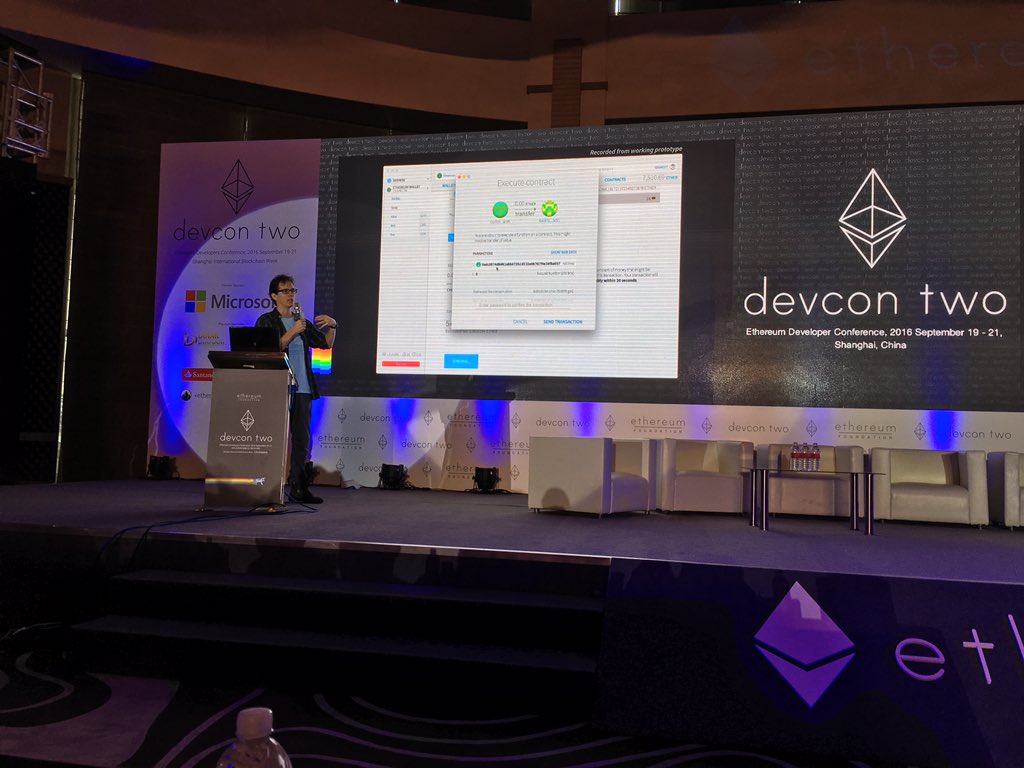
Alex at Devcon 2

Devcon 2 Mist Presentation

Alex Van de Sande demoes the light client and 2min syncs.

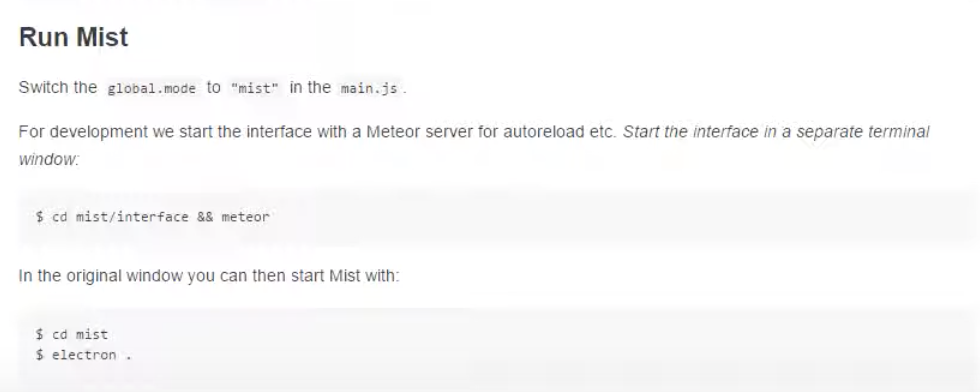
Mist installation walkthrough

Mist Installation Walkthrough

A community-led walk through of installing and setting up Ethereum Mist for development.

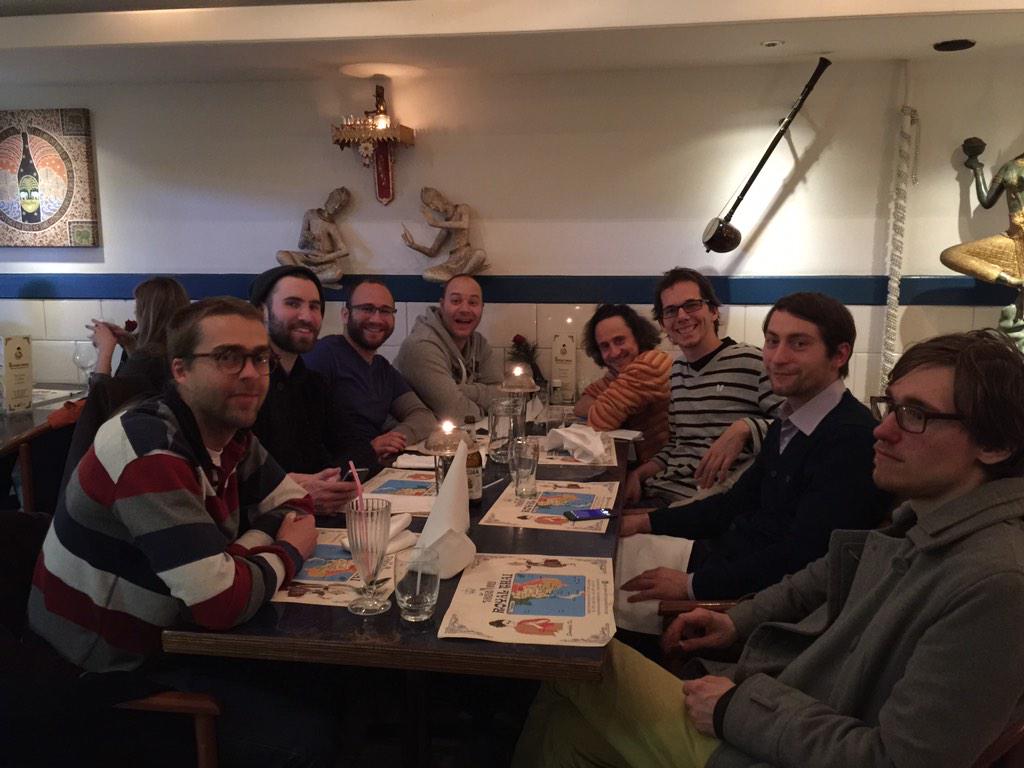
The original Mist team

The OG Mist Team

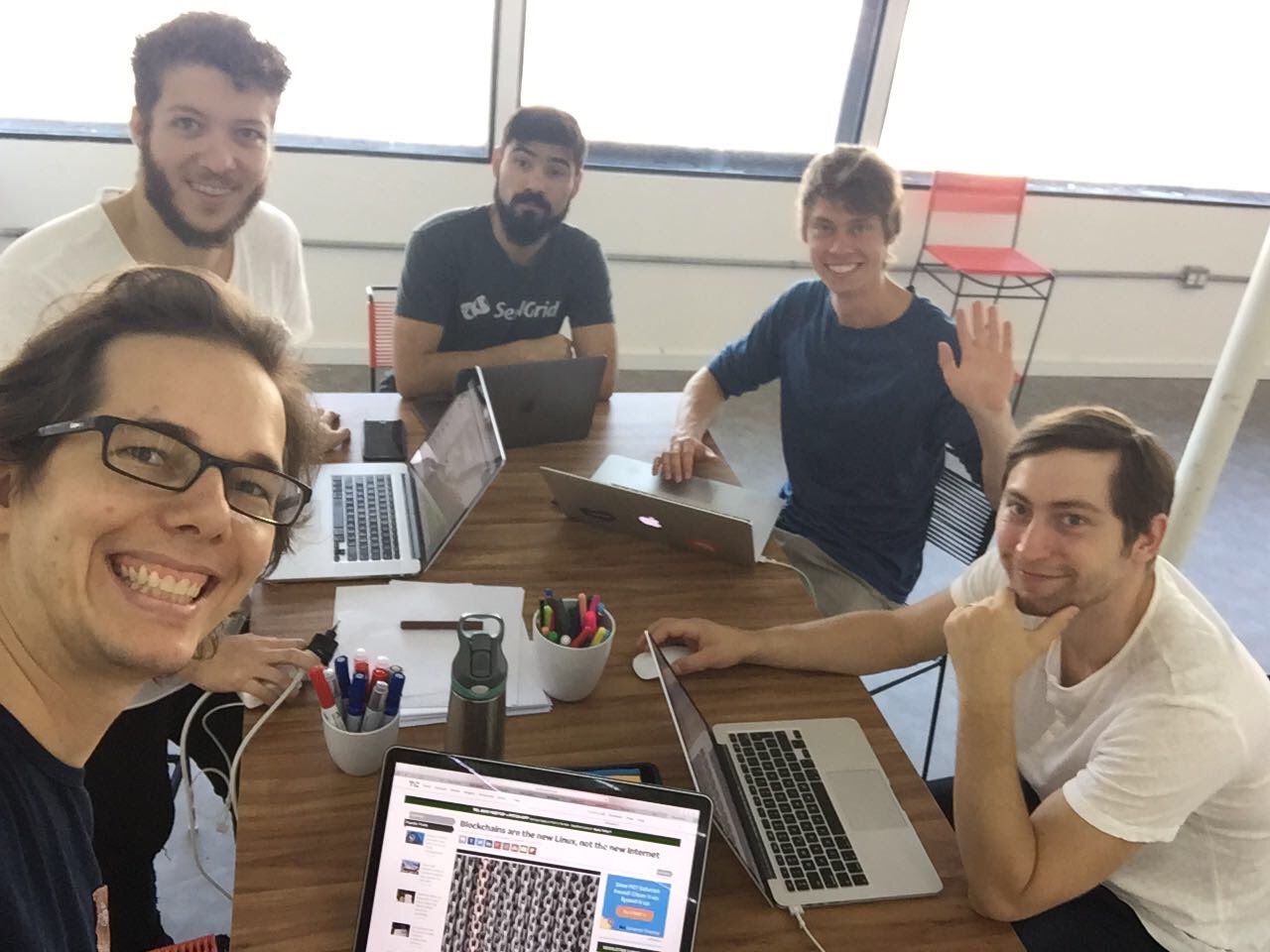
The original Mist team enjoying some Thai food in February 2015, before Ethereum mainnet.

Mist brand principles presentation

Mist Brand Principles

A presentation soon after MistCoin teaching about smart contracts and showing the Mist Browser brand principles.

Token Standard Contributors

This incomplete list showcases some of the contributors to the ERC-20 standard.

Vitalik Buterin

Vitalik Buterin

Co-Founder of the Ethereum Foundation

Vitalik began externally proposing the first standards in crypto in an Ethereum Wiki on June 17, 2015. Through July 5th, 2015, Vitalik continued to expand on his ideas on standardization, imagining standard Decentralized Exchanges and Registries. These were the building blocks for MetaMask, Uniswap, and ENS, to name a few. He is credited with Fabian as an author of EIP-20, the proposal that grew out of seventeen months of edits to that wiki page.

Fabian Vogelsteller

Fabian Vogelsteller

Lead Ethereum Dapp Developer | Mist

Fabian made both syntactical and function parameter changes to functions throughout the standards wiki. His October 28, 2015 edit fixed the parameter order to transfer(address _to, uint256 _value), the signature every ERC-20 token still uses. Six days later he deployed MistCoin, alongside the feature to create standard tokens in the Ethereum Wallet. On November 19, 2015, he filed the proposal that became ERC-20.

Alex Van de Sande

Alex Van de Sande

Head UX Designer | Ethereum Foundation

Alex "avsa" led the Mist team and was the chief designer of the Ethereum Wallet. On October 1, 2015 he added a section to the standards wiki proposing coinSymbol, coinName and coinBaseUnit. Renamed over the following weeks, those three became symbol, name and decimals. His argument for them, that they exist so a client has something to show the user, is why EIP-20 still marks all three OPTIONAL. He also wrote the Foundation's December 2015 token tutorial, which shipped MistCoin's exact source to the world.

Gavin Wood

Gavin Wood

Co-Founder of the Ethereum Foundation

Gavin's work is replete throughout Ethereum repositories, and his implementation of GavCoin on February 19th, 2015 predates every token standard. His sharpest mark on ERC-20 came on October 4, 2015, when a single wiki edit renamed coinBalanceOf to balanceOf and the CoinTransfer event to Transfer. Two of the eight members got their permanent names in that one commit.

Simon de la Rouviere

Simon de la Rouviere

ERC-20 Standard Contributor

Simon made several improvements to the ERC-20 standard, renaming 'sendCoin', 'sendCoinFrom', and 'disapprove' to the familiar 'transfer', 'transferFrom', and 'unapprove'. While working for ConsenSys, Simon gave a talk at Ethereum's Devcon 1 on token standard, worth a watch!

The Receipts

Every claim on this page traces back to one of these. Go and check them.

The contract

The standard

The wallet

In their own words

FAQ

Answers to common questions about MistCoin and the ERC-20 token standard

What is MistCoin, and why is it significant?

MistCoin is the prototype Fabian Vogelsteller built while he was developing the ERC-20 token standard. He deployed it on November 3, 2015 and filed the proposal that became ERC-20 sixteen days later, and he has said he used MistCoin to test the standard idea. It went onchain the same day the Ethereum Wallet shipped the feature that let anyone create a token.

What is the ERC-20 token standard?

The ERC-20 standard defines a set of rules for creating tokens on the Ethereum blockchain. These rules ensure tokens are interoperable with each other and with decentralized applications (dApps), providing consistency in how tokens function across the Ethereum ecosystem.

How did MistCoin contribute to the development of decentralized finance (DeFi)?

As one of the earliest experiments in token creation, MistCoin demonstrated the programmability and flexibility of Ethereum's smart contracts. This laid the groundwork for the tokens that would later drive the decentralized finance (DeFi) movement, enabling a wide range of financial applications on the blockchain.

Why was MistCoin wrapped?

MistCoin's original contract is the 2015 original, and it stays that way. It carries the members the standard was built around, and the allowance machinery that decentralized exchanges use, approve and transferFrom, was added to the standard afterwards. Rather than touch a historic contract, a wrapper was deployed in 2022 to add those later members. Holders can wrap and unwrap freely at any time, so the original contract keeps doing exactly what it has done since November 2015 while $WMC trades on modern exchanges.

What makes ERC-20 tokens so important?

ERC-20 tokens are essential to the Ethereum ecosystem because they allow developers to create tokens that can be easily traded, transferred, and used within decentralized applications. The standard provides uniformity, enabling seamless integration with wallets, exchanges, and DeFi platforms.

Can I wrap or unwrap my MistCoin anytime?

Yes! The wrapper contract allows you to wrap and unwrap tokens at will and safely. Here is how to do it:

1. Write Contract: createDropbox (create your dropbox where you will drop your OG MistCoin)
2. Read Contract: dropBoxes (read out the dropbox address you just created)
3. Transfer OG MistCoin:Transfer OG MistCoin using the transfer function to the Dropbox address from Step 2
4. Write Contract: wrap (custom decimals 2), wrapping 1 MistCoin = 100 in the input.

What makes MistCoin different from other early tokens?

Experiments with tokens on Ethereum go back to August 2015, and a handful of contracts with a balance and a transfer function came earlier. MistCoin's claim is a different and better one.

MistCoin is the prototype the author of ERC-20 built while he was working out the standard. Fabian Vogelsteller deployed it on November 3, 2015, filed the proposal sixteen days later, and has said he used MistCoin to test the standard idea. No other token on Ethereum has that relationship to the standard that all tokens now follow. You can verify the contract on Etherscan or on its Ethereum History page.

Is MistCoin ERC-20 compliant?

By the definition in force when it was deployed, yes, and by the standard's own account of what matters, yes.

EIP-20 has a Motivation section, and it singles out which members carry the weight: "The most important here are, transfer, balanceOf and the Transfer event." MistCoin implements all three, and it implemented them before that sentence was written. Every draft through January 2016 named decimals in that list too. MistCoin has that as well, along with name and symbol.

The Ethereum Wallet used the same bar. Its token interface asked for exactly those members, and as late as March 2016 Alex Van de Sande was still telling the ERC-20 issue thread that balanceOf and transfer and their events were all a token needed in order to work.

The allowance half of the standard, approve and transferFrom and allowance, was added to the proposal after MistCoin was already running, and nothing on Ethereum carried it until 2016. Wrapped MistCoin adds those later members so the token can trade on modern exchanges, which is what the wrapper is for.


Who created the ERC-20 standard?

EIP-20 is credited to Fabian Vogelsteller and Vitalik Buterin. Fabian filed issue #20, titled "ERC: Token standard", on November 19, 2015. The work began months earlier, with Vitalik's "Standardized Contract APIs" wiki page in June 2015.

What was filed that day is not what the name means now. The first version had four of the six methods, an approve that took no amount, no allowance, no Approval event, and five members that no longer exist. The proposal was edited nineteen times, one member was cut by community poll, and the text did not state today's interface until January 6, 2016. MistCoin was deployed sixteen days before any of that started.

How many ERC-20 tokens exist today?

Millions of ERC-20 tokens have been created on Ethereum, representing hundreds of billions of dollars in combined market capitalization. Every one of them descends from a proposal whose author was, sixteen days before he filed it, testing the idea with MistCoin. Adoption of the specification as written came later still: the first contract on mainnet implementing all six methods appeared on January 10, 2016, four days after the text stopped changing, and only 1,014 managed it in the whole of that year.

Where can I buy MistCoin?

Wrapped MistCoin ($WMC) is tradable on Ethereum decentralized exchanges. You can buy it on CoW Swap or Uniswap. The wrapped contract address is 0x7Fd4d7737597E7b4ee22AcbF8D94362343ae0a79.